
Seven Stories’/Triangle Square publishes my books as its Philosophy for Young People series, geared to readers 13-17 years old—but my writing is appropriate for anyone who wants a clear introduction to the life, times, and ideas of great thinkers from ancient times to the present day.
Next in the series: Hannah Arendt
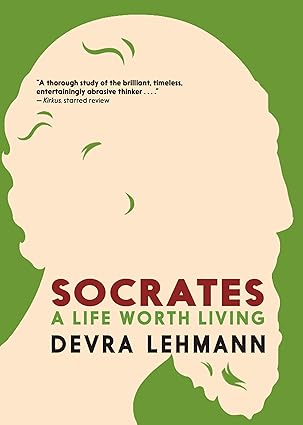
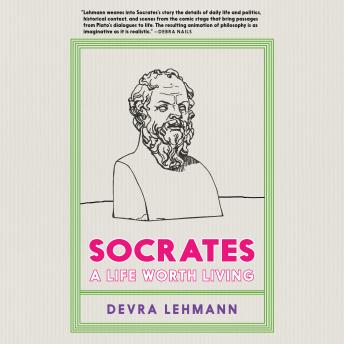
Socrates: A Life Worth Living
A Best Teen and Young Adult Non-Fiction Book of 2022, Kirkus Reviews:
“A thorough study of the brilliant, timeless, entertainingly abrasive thinker… A vivid, perceptive portrait aimed at spurring readers to take up the quest”
Click here for more reviews and reader reactions.
Socrates: A Life Worth Living traces the life and ideas of one of Western Civilization’s founding philosophers, whose influence is still felt more than two thousand years later. Socrates is famous for how he died, executed by the Athenian government for introducing foreign beliefs and corrupting the youth of Athens. But his most important contribution was to challenge the people around him to test their ideas and opinions in conversation with one other. Only through that process, he believed, can we learn the difference between right and wrong and understand how to conduct lives worth living. He did not claim to have definitive answers, but he knew that knowledge was the key to finding them, and he invited everyone he met to join him in his quest.
Also available as an audiobook read by Robert Petkoff
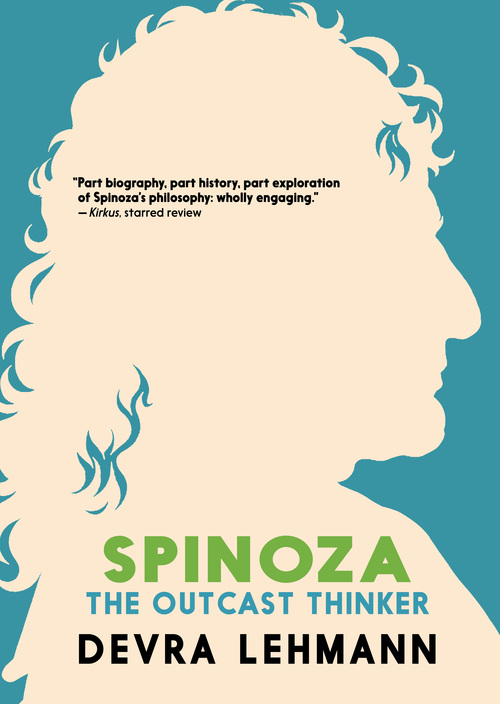
Spinoza: The Outcast Thinker
Winner of the 2014 National Jewish Book Award for Children’s and Young Adult Literature
A 2014 Best Book for Teens, Kirkus Reviews
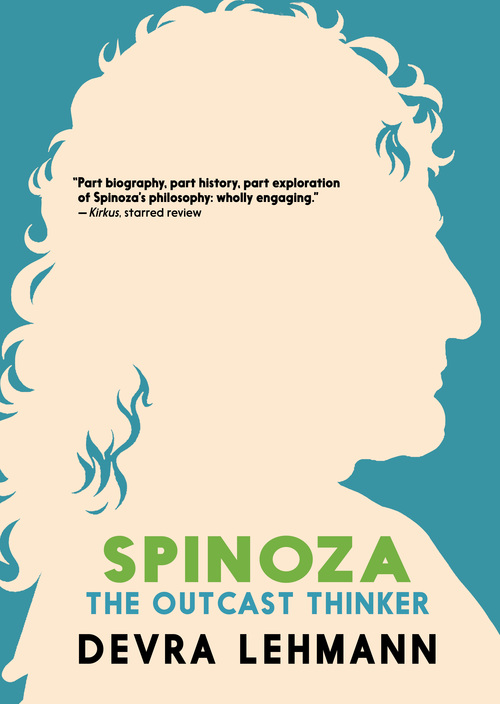
A brilliant schoolboy in 17th-century Amsterdam, Bento Spinoza⏤formally Baruch and later Benedict de Spinoza⏤quickly learns to keep his ideas to himself. When he is 23, those ideas prove so scandalous to his own Jewish community that he is cast out, cursed, and effectively erased from their communal life. The scandal shows no sign of waning as his ideas spread throughout Europe. At the center of the storm, he lives the simplest of lives, quietly devoted to his work as a lens grinder and to his steadfast search for truth, striving to embody a philosophy of tolerance and benevolence. Spinoza does not live to see his ideas change the world.
What caused such an uproar? Spinoza challenged age-old ideas about God, the Bible, and religion. His God was the sum total of nature, not a father-figure who created the world and takes care of humankind. His bible was a book like any other, not a holy text to be interpreted only by religious authorities. His religion was a commitment to basic moral behavior, not a collection of superstitions or rituals. For such ideas, Spinoza was reviled, but he emerged from his experience as one of history’s most articulate voices for freedom of thought, freedom of expression, and freedom of religion. Those of us who enjoy the fundamental rights of modern democracies are the beneficiaries of Spinoza’s quiet bravery.
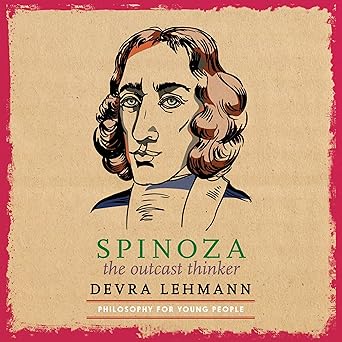
Also available as an audiobook read by Erin Bennett
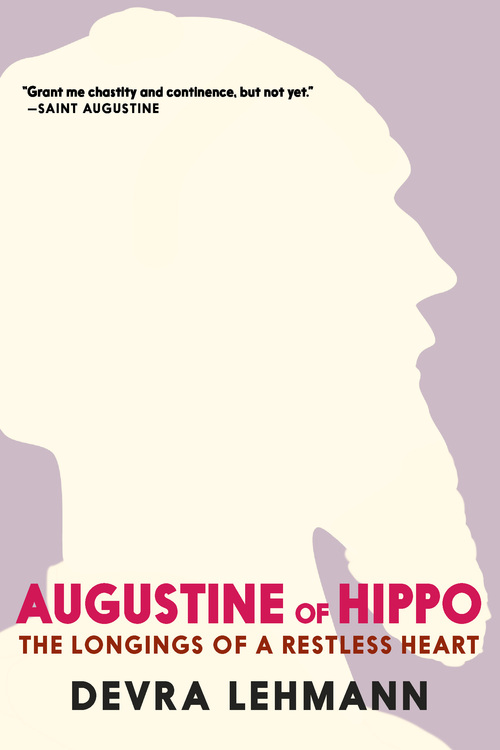
Augustine of Hippo: The Longings of a Restless Heart
Coming in December 2026…
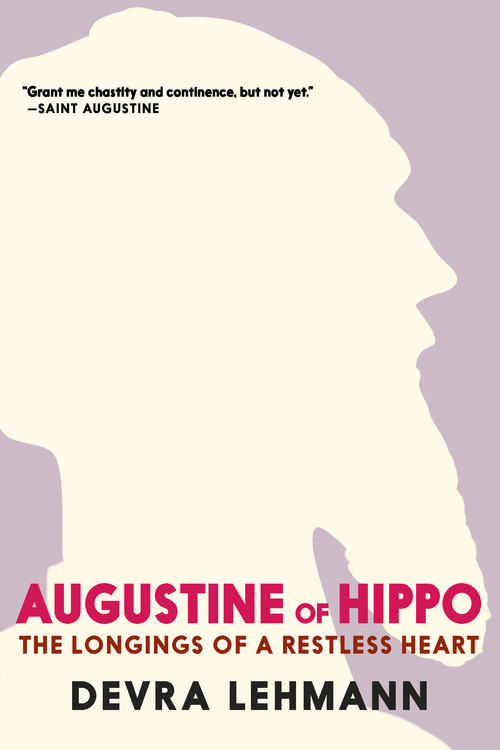
At a time when Christianity was just finding its footing on the world stage, Augustine of Hippo left his permanent imprint on the religion and consequently on all of Western civilization. Augustine spoke of a radical and inescapable dependence on the unfathomable will of God, and his views on creation, original sin, divine grace, and the Trinity remain pillars of Christian theology. His reflections on language, time, memory, and war have had a profound impact on the wider philosophical tradition.
Augustine served as the bishop of the north African city of Hippo, part of the Roman Empire, from 396 C.E. until his death in 430 C.E. This biography traces his childhood in the north African town of Thagaste, his adult years as a Manichean and teacher in Africa and Italy, his conversion to Catholicism under the guidance of Ambrose, the bishop of Milan, and his rise to prominence with his enduring synthesis of Christianity and Neoplatonism. Augustine’s work illuminates the human condition for believers and nonbelievers alike.

